Lewis here, writing to you from a (surprisingly) sunny London summer’s day. Welcome to my website!
It’s all very new and over time I hope to continue writing to share with you on matters related to our trade and the steel industry.
We serve clients who bring their A game; the ones who value masters of their trade and skill, who want to make a great deal of impact on the steel industry at large.
lewis hillier
beginnings
Heavy steel fabrication is where I started out my career. Though if you asked my dad he’d probably tell you that I’ve been gifted with a curiosity that went from my head to my hands, as soon as I was able to take apart my toys, because I was more interested in how things worked than how they ‘played’.
After leaving school I found myself persuading a fabrication company in Auckland to take me on as an apprentice while I studied applied engineering. I didn’t know how much I’d come to love the work and honing the skills I saw on a daily basis with master tradesmen whom I’d come to admire and respect dearly.
apprenticeship
It took four and a half years to go from apprentice, to graduating top of my class in heavy fabrication, to completing my diploma in applied engineering. From there my heart was set on steel fabrication, except I ran into so many issues in the workshop that I had to do something about it.
Drawings would arrive into the workshop with incomplete information. It’s as if the draughtsman ran a program, put a few details in, hit the button to run the drawings and that’s what we had to work with.
switching gears
Eager to put my education and knowledge to practise, these stalls in the workflow made it necessary for me to leave the fabrication side of steelwork fairly early on to join the design team as a draughtsman.
Having managed to convince the boss to let me have a go, I set out to create better drawings that the fabricators would have no problem understanding, and would therefore make the projects coming in run smoothly with less time wasted looking for the missing information.
skilled perspectives
I knew my apprenticeship would serve me well, to interpret from both sides of steelwork. This came in very handy especially when I’d need to roll up my sleeves and demonstrate how pieces would need to come together.
Sometimes I was required to produce my own interpretation of designs from an idea that an architect would have. The in depth knowledge and practice I gained throughout my early career made these requests easy and enjoyable, and delighted clients.
Having empathy for various levels of skilled labour has made designing projects easy since it’s where I came up in steel work. Some draughtsmen lack understanding of how their work will be interpreted in the workshop and this has at times compromised projects.
adapting to changes
Life, as you know, tends to take so many twists and turns, and learning to adapt to changes during lulls in my career has challenged me in ways I needed to grow. It also allowed me to spend more time with family, help my wife with her handmade business, be a part of my children’s childhood, and work in different roles to support them during these downturns.
the way forward
And now in my 40s I’m burgeoning on a new path to build a business and grow a team of talented people who form various arms in steel work. Together, we’ll influence the steel industry for the better and leave a legacy of work we can all be proud of.
The steel industry is past due for an upgrade on developing better ways to support youngsters or anyone who is interested in furthering their career in steelwork. With such high turnover rates for roles, and not enough real talent trained by masters from fabrication to draughting, we are at the mercy of unrealistic expectations affecting budgets and the overall delivery of projects being unnecessarily problematic. Not to mention the quality of life that is the greatest casualty of steel industry workers.
In time I hope to distil my experiences and knowledge through producing quality content on my blog (and other places you can find me online) to help juniors who are up and coming draughtspeople or fabricators to raise the standard of their work and in turn give people the confidence to command more from themselves and employers.
Thanks for being here and looking forward to sharing more soon!
Design Brief: Balustrades and Wintergarden Structure Design
CAD System: AutoCad
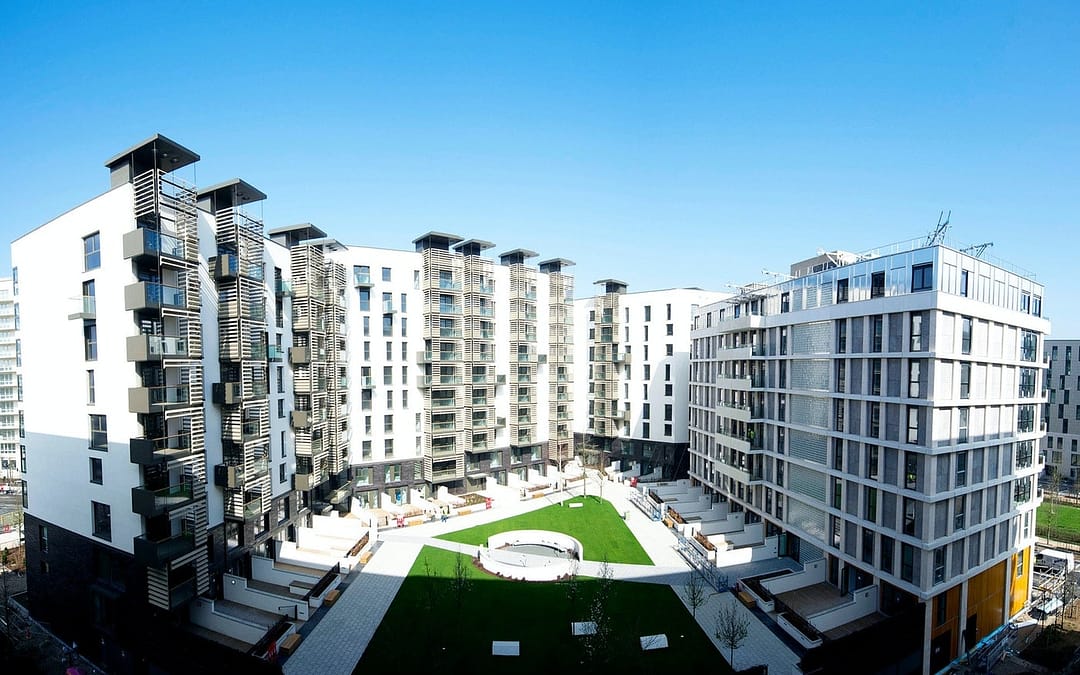
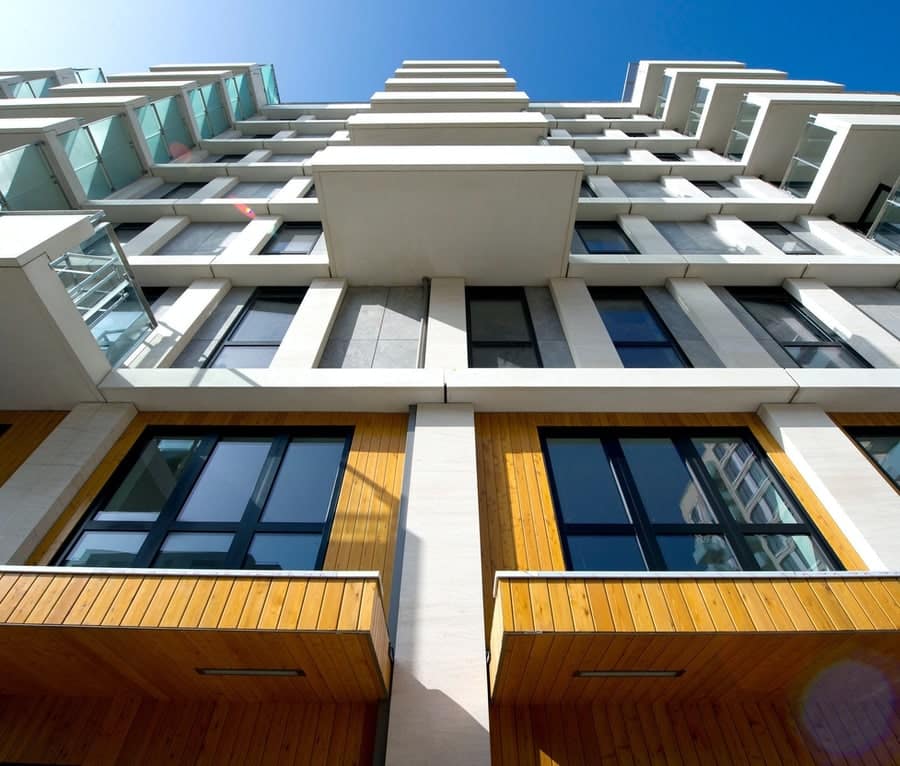
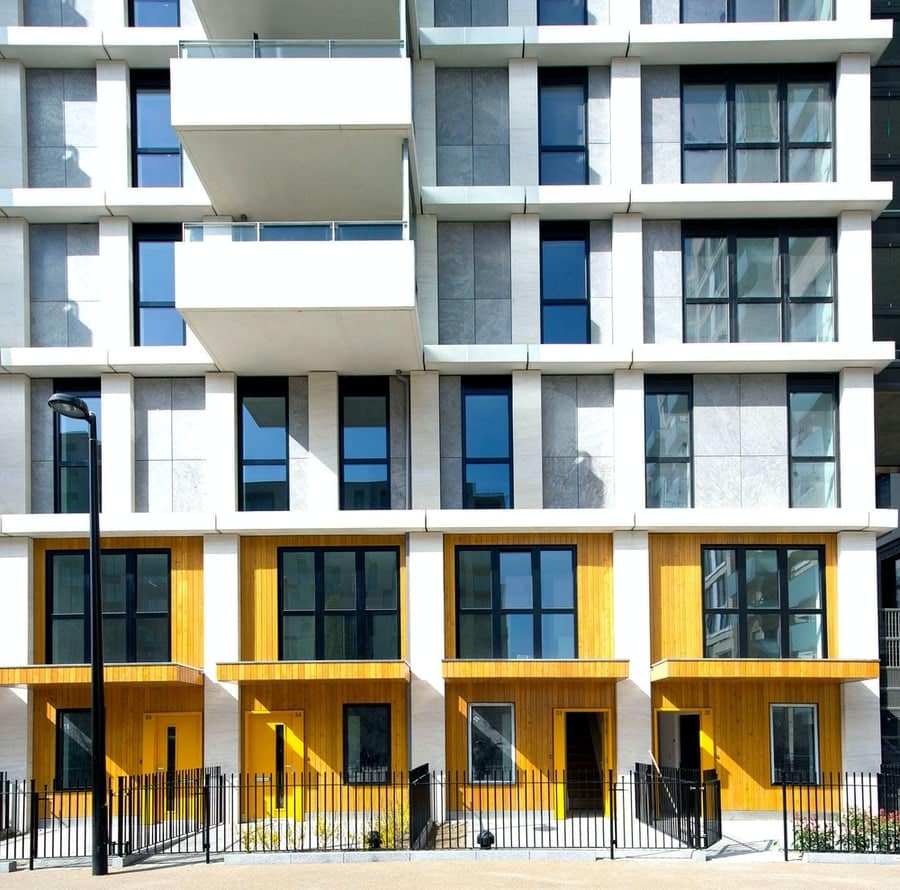
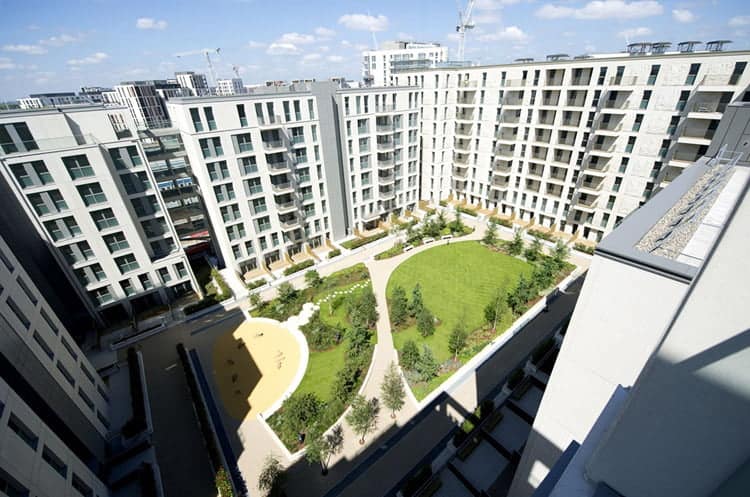
I had the pleasure of working with the design team on what would be the Athletes Village for the 2012 Olympics in London that would later become residential housing.
Photo Credit: Haworth Tompkins
A project that consisted of structural privacy screens and balcony balustrades, stair balustrades, rails, and a winter garden joining two adjacent blocks.
The winter garden structure was particularly interesting since the engineer had specific ideas around section use, and the fabricator chosen had limited experience with heavy sections. I was able to offer my expertise with heavy steel as this was the basis of my trade certification.
Photo Credit: Haworth Tompkins
Through the strategic application of heat and cutting methods I was able to demonstrate that it is entirely possible to cut down sections without warping or massive postprocessing treatment.
Having a strong practical grasp of heavy engineering meant that I was able to resolve and help complete this project to exactly what the engineer had envisioned.
Design Brief: Balustrades – Block D comprised of 26 Stories & Block B comprised of 14 Stories
CAD System: AutoCad Advance Steel
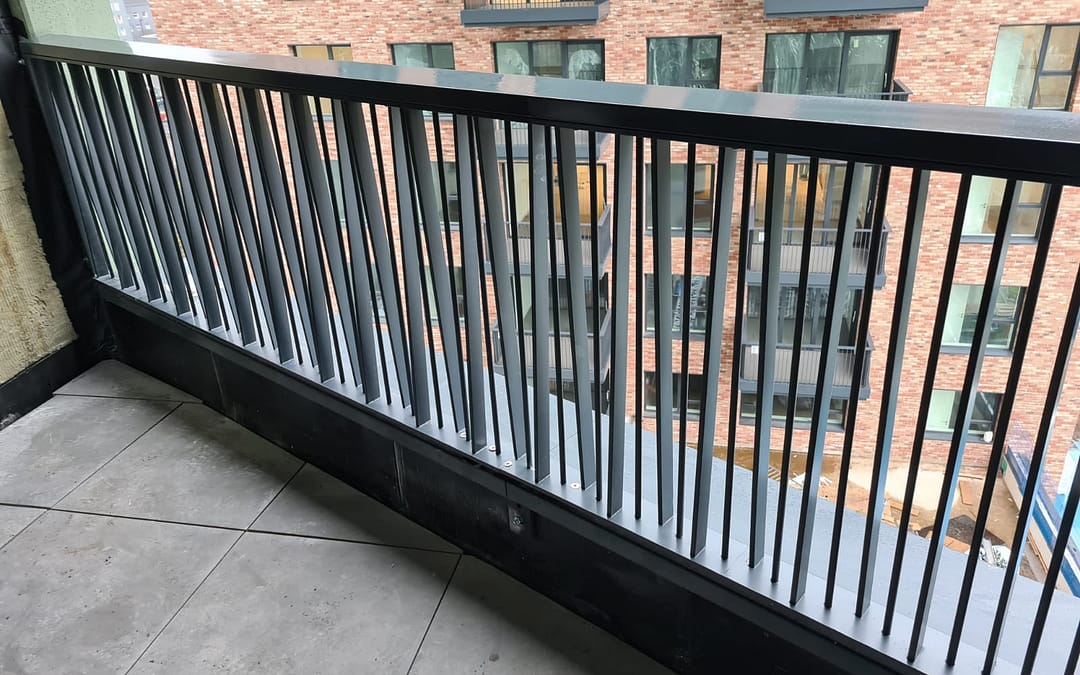
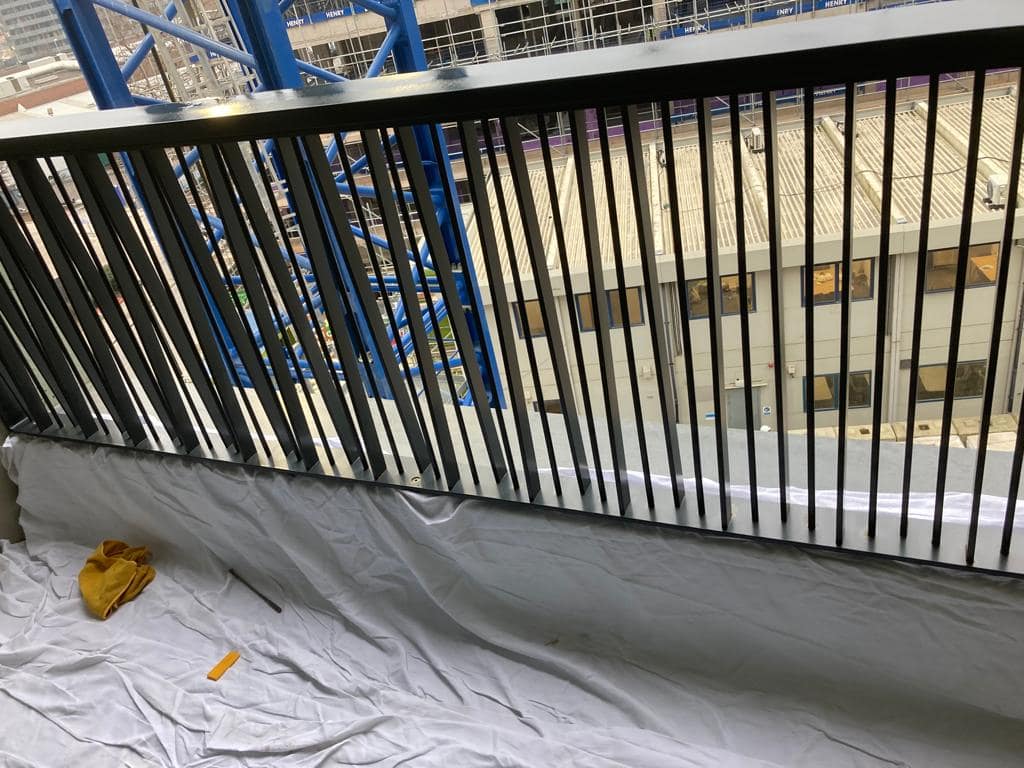
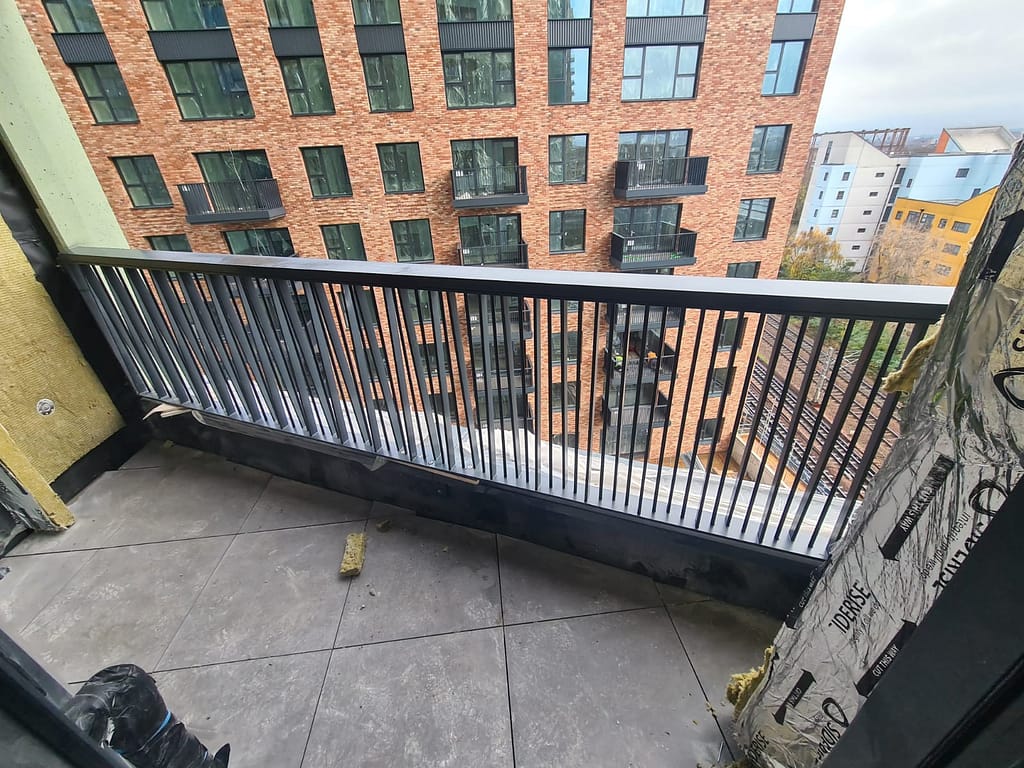
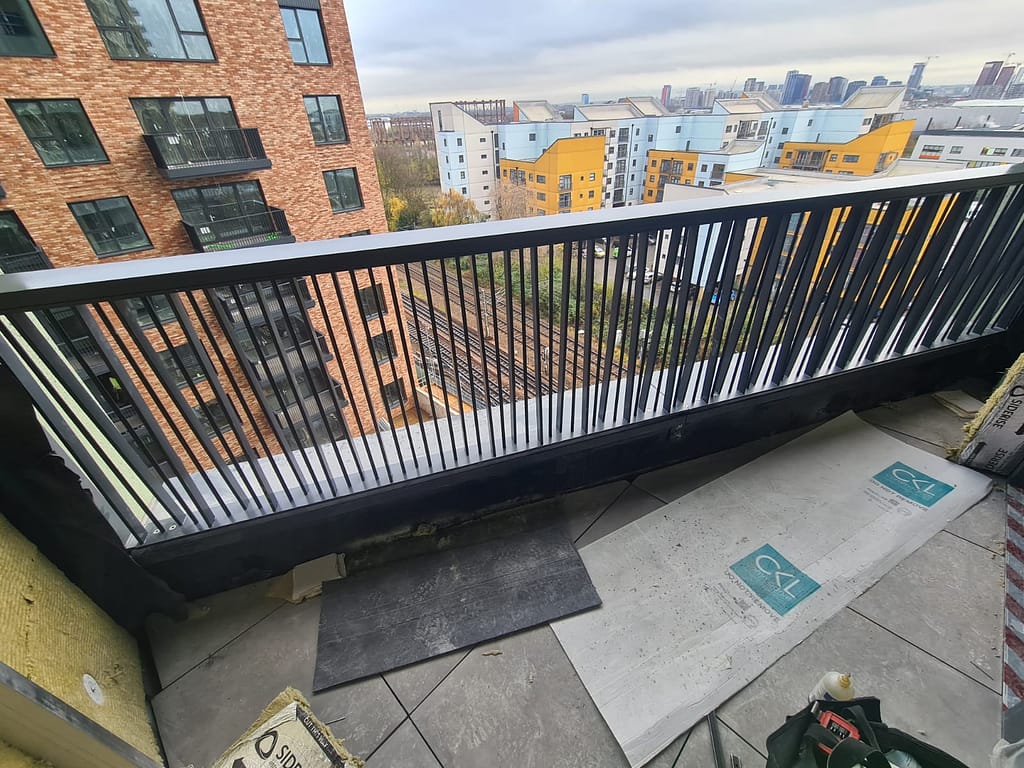
Mid 2021 I was presented with a project in East London that covered 2 new residential tower blocks. One 14 stories tall, and the other, a commanding 26 stories. The brief was fairly straightforward – come up with a system that could make the fabrication and installation as efficient as possible whilst maintaining the architect’s design aesthetic.
This reminded me of a project I had worked on many years earlier while still in New Zealand. The infill bars weren’t completely welded, instead they were drilled and captivated within the outer frame. The only issue here was that we weren’t using a round bar or tube, we were using flat bars.
The result was a plasma cut top and bottom rail with just enough clearance to allow the flat bar infills to be inserted and welded from behind. Welding distortion and grinding were kept to a minimum which really helped to speed production.
The other issue was installation: how do you account for early production while still ensuring the balustrades are going to fit? The answer was a unique first fix bracket system that once installed would make allowance of up to 25mm of variance in the concrete structure.
By also making these universal I was able to reduce fabrication set up as well as logistics. If the site teams don’t have to find a particular bracket then they really only need to make sure they have the right quantities delivered at any given time.
So it was with this idea that I was able to help deliver 830m of complete design balustrades in a matter of weeks rather than the originally anticipated months.
Design Brief: New Council Building Metalworks Package and Temporary Works
CAD System: StruCad
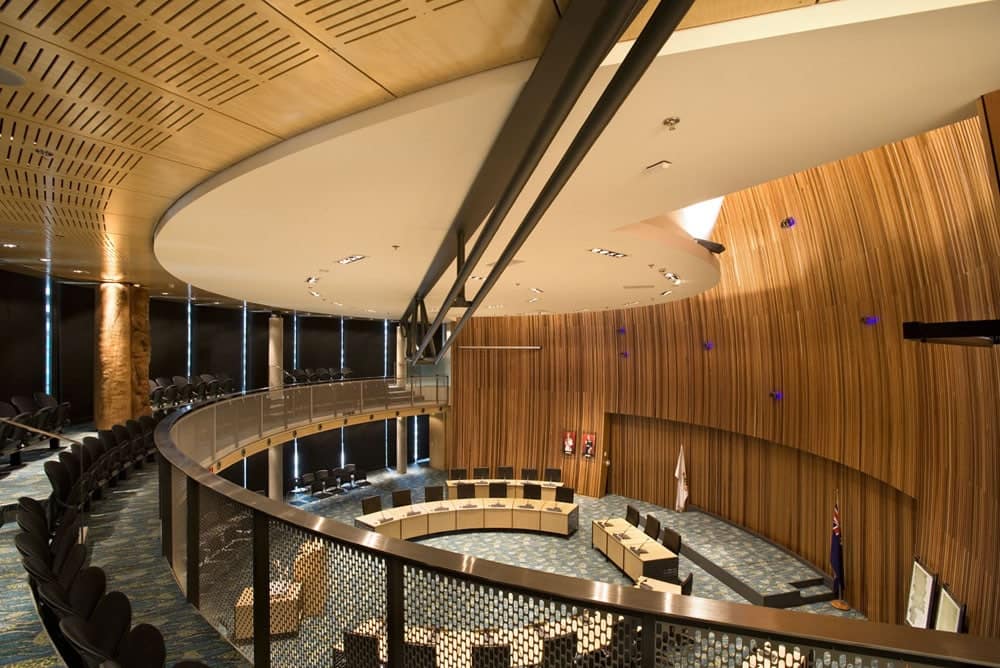
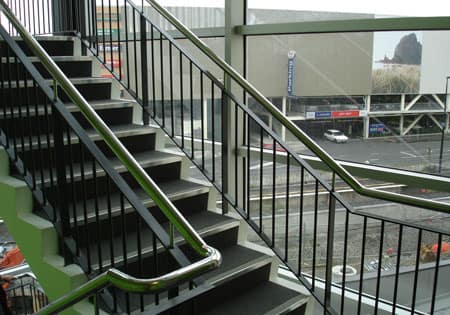
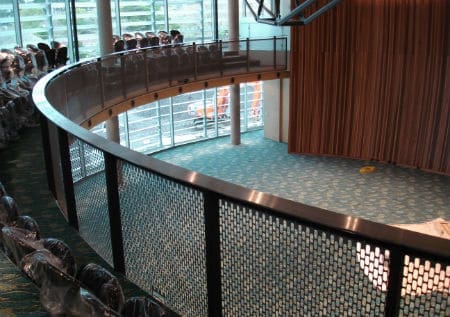
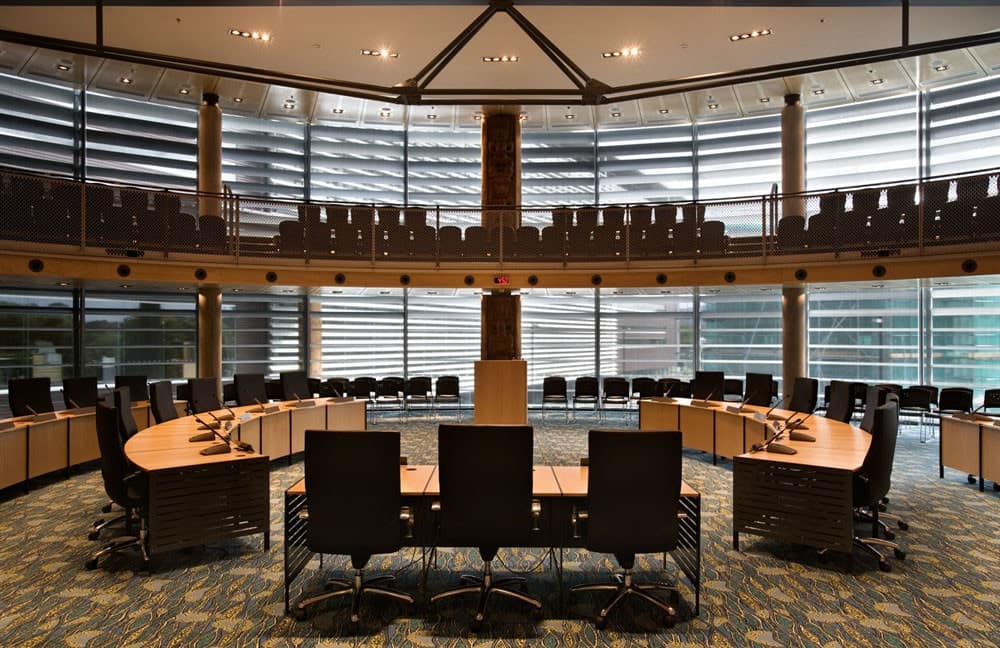
I had the opportunity to work on the handrails and balustrades scattered around what was to be the new Civic Centre for Waitakere City. An audacious concept for a public building it would also become the transport hub for the wider city.
Photo Credit: Arch Daily
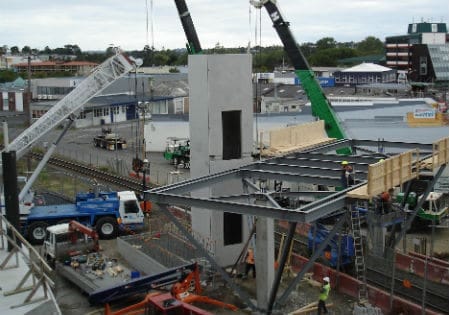
One particular feature I enjoyed was the Link Bridge across the main TransRail tracks. This required a temporary works form to straddle the rail tracks so that the reinforced concrete could be placed and poured without disruption to rail traffic.
With millimetre precision and a 4 hour time slot the site team were able to install the framework without incident.
Although destined to be removed I was always proud of the structure designed for a quick installation without fuss.
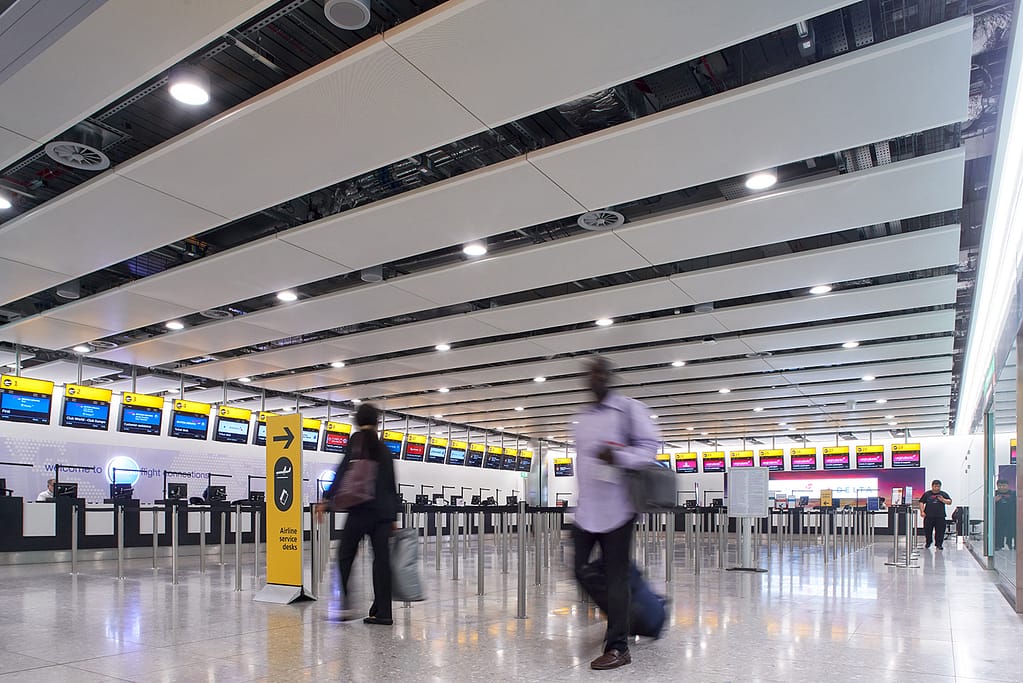
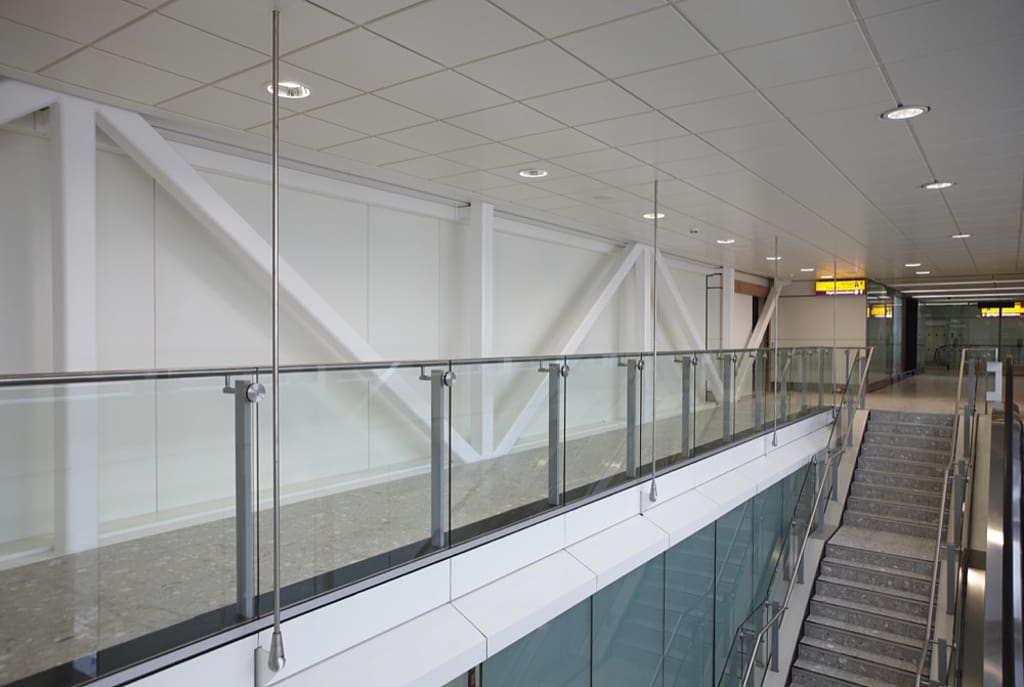
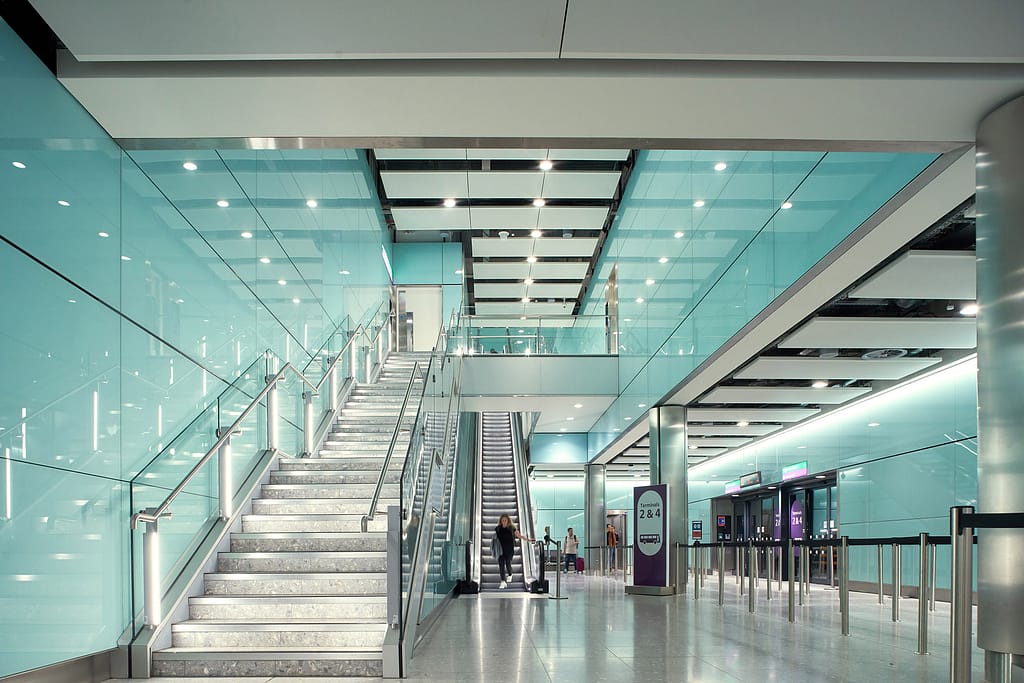
There are few places where your work will be viewed by tens of thousands on a day to day basis. Heathrow airport is one of those places. It was my absolute pleasure to be involved with this project.
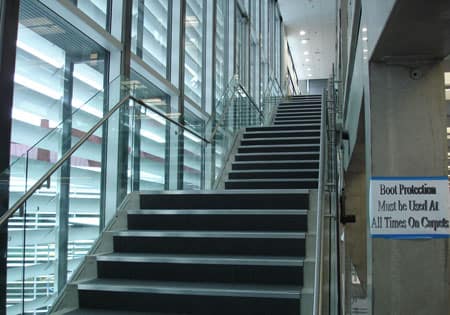
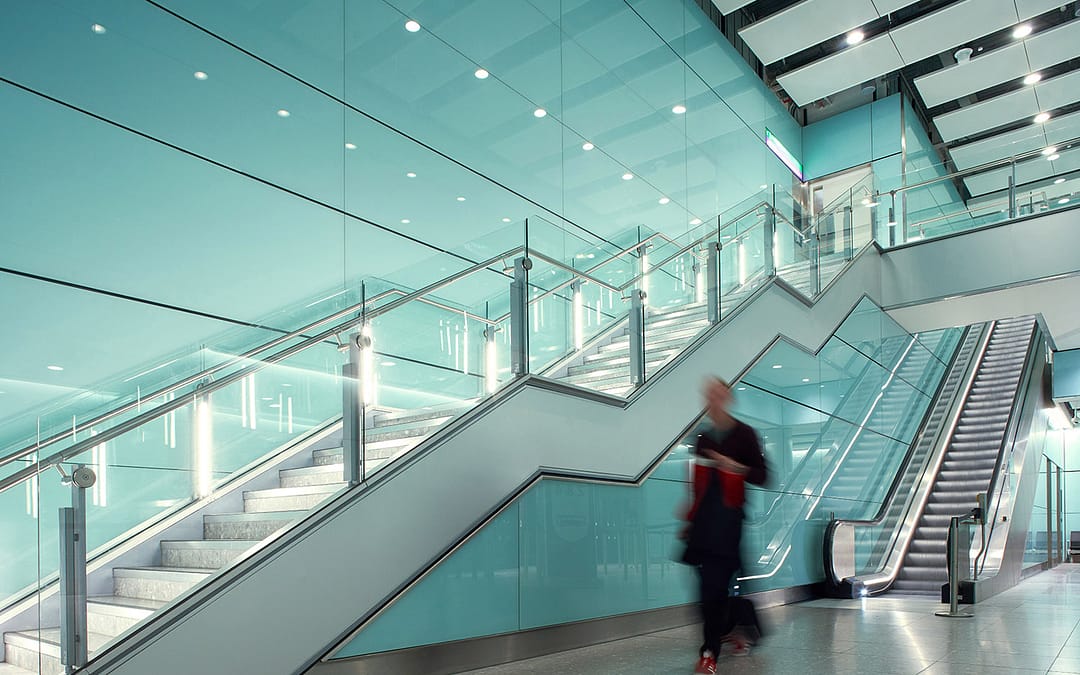
During the revitalisation of T3 I was tasked with the production drawings for the Stair Structure and Glass Balustrade Systems. As well as the various support structures throughout the project. We were to incorporate the original 2-D parts details as utilised in T2 into the new details, so that the continuity of design would flow from one terminal to the next.
Whilst the part details would remain, there was still a lot of design required around the interfaces of existing elements such as the hanging supports for the retail sector which needed to fit around existing HVAC and main structure. The new stair structures and balustrades which needed to interface with the new escalators. Not to mention the glass partitions and monitor displays that were fitted to cambered beams, requiring adaptive mounts.
Overall this was a challenging project with a rewarding outcome.
We use cookies on our website to give you the most relevant experience by remembering your preferences and repeat visits. By clicking “Accept All”, you consent to the use of ALL the cookies. However, you may visit "Cookie Settings" to provide a controlled consent.
This website uses cookies to improve your experience while you navigate through the website. Out of these, the cookies that are categorized as necessary are stored on your browser as they are essential for the working of basic functionalities of the website. We also use third-party cookies that help us analyze and understand how you use this website. These cookies will be stored in your browser only with your consent. You also have the option to opt-out of these cookies. But opting out of some of these cookies may affect your browsing experience.
Necessary cookies are absolutely essential for the website to function properly. These cookies ensure basic functionalities and security features of the website, anonymously.
Cookie
Duration
Description
cookielawinfo-checkbox-analytics
11 months
This cookie is set by GDPR Cookie Consent plugin. The cookie is used to store the user consent for the cookies in the category "Analytics".
cookielawinfo-checkbox-functional
11 months
The cookie is set by GDPR cookie consent to record the user consent for the cookies in the category "Functional".
cookielawinfo-checkbox-necessary
11 months
This cookie is set by GDPR Cookie Consent plugin. The cookies is used to store the user consent for the cookies in the category "Necessary".
cookielawinfo-checkbox-others
11 months
This cookie is set by GDPR Cookie Consent plugin. The cookie is used to store the user consent for the cookies in the category "Other.
cookielawinfo-checkbox-performance
11 months
This cookie is set by GDPR Cookie Consent plugin. The cookie is used to store the user consent for the cookies in the category "Performance".
viewed_cookie_policy
11 months
The cookie is set by the GDPR Cookie Consent plugin and is used to store whether or not user has consented to the use of cookies. It does not store any personal data.
Functional cookies help to perform certain functionalities like sharing the content of the website on social media platforms, collect feedbacks, and other third-party features.
Performance cookies are used to understand and analyze the key performance indexes of the website which helps in delivering a better user experience for the visitors.
Analytical cookies are used to understand how visitors interact with the website. These cookies help provide information on metrics the number of visitors, bounce rate, traffic source, etc.
Advertisement cookies are used to provide visitors with relevant ads and marketing campaigns. These cookies track visitors across websites and collect information to provide customized ads.